about us
Zoopharmacognosy
Zoopharmacognosy examines how animals, from primates to insects, actively select and use natural substances for self-care. Over generations, animals have accumulated deep knowledge about their environments—what can heal, soothe, or protect them—through instinct, learning, or cultural transmission. Observing these behaviors helps us know what to look for when looking for pharmacologically relevant substances in nature. Here it is important to know the difference between the consumption of medicinal food in the regular diet and self-medication. Self-medicative behavior is when an ill animal actively extracts and ingests or applies topically medicinal materials that have low nutritional value. Animal self-medication necessitates a basic awareness of the healing properties of the natural material, rather than simply benefiting from it through regular consumption.

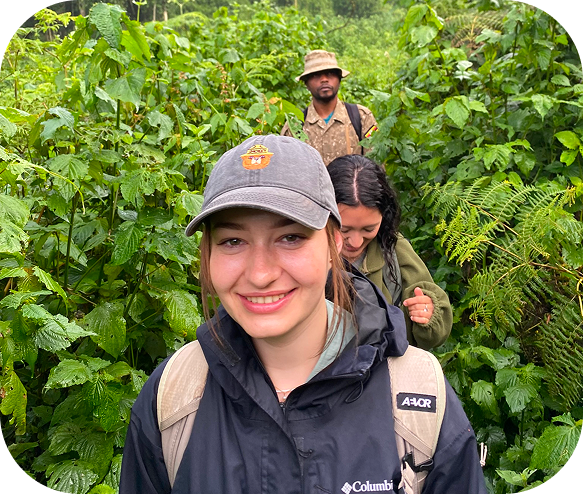
Collaboration and Observation in the Field
Ethnopharmacological research and zoopharmacognosy often intersect. Local human collaborators—such as traditional healers, herders, or community elders—contribute invaluable knowledge of ecosystems and animal behaviors. Their guidance helps researchers observe and interpret how animals interact with natural substances responsibly, ensuring minimal disruption to habitats and wildlife. Through these partnerships, scientists gain a richer, ethically grounded understanding of animal self-medication in diverse environments.

From Behavior to Discovery
Field observations of specific species and their behaviors often serve as the foundation for laboratory analyses, which evaluate the active compounds and pharmacological properties of the substances the observed animals utilize as medicine. While such work is labor-intensive and results can vary between isolated compounds and whole extracts, these studies open vital windows into the intricate relationships between animals, plants, and health. Ultimately, they reveal naturally evolved strategies for healing that can inspire modern drug discovery, promote biodiversity conservation, and deepen our understanding of nature’s intelligence


