Back to projects
The SpiriPharm Project
Exploring the spiritual, ritual, and pharmacological worlds of neuroactive natural remedies

What We Explore
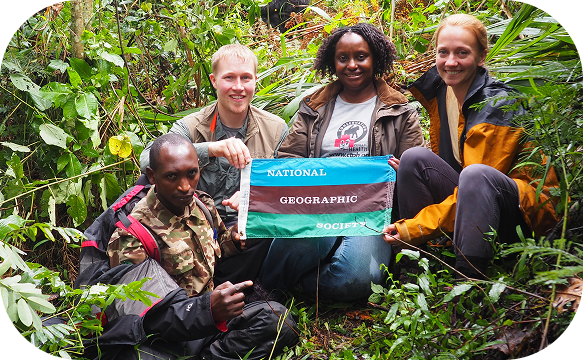
SpiriPharm investigates how neuroactive natural substances—from plants and fungi to animal secretions—are used by both humans and wild primates in 6 different locations in Uganda and Tanzania.
We focus on how these substances influence healing, mental health, and spiritual practices in remote communities, and ask whether wild mountain gorillas and chimpanzees also seek them out—whether for self-medication, mood regulation, or other reasons yet to be discovered.
Why It Matters
For centuries, these substances have shaped the lives, health, and beliefs of the people who use them. Yet, many have never been studied scientifically.
Learning how they work can open up new perspectives on mental-health treatments and neurological research, while also offering fresh insights into animal self-medication and the links between culture, biology, and ecology.
How We Work
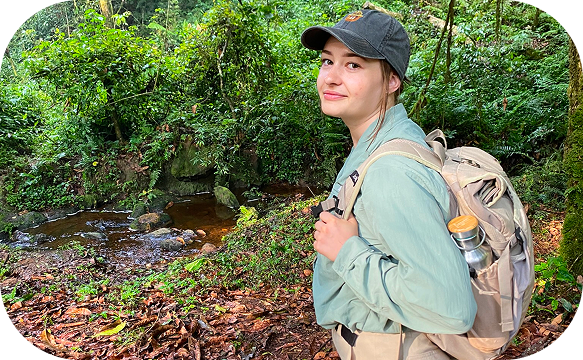
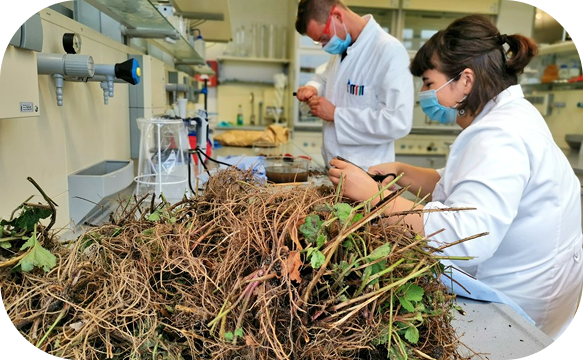
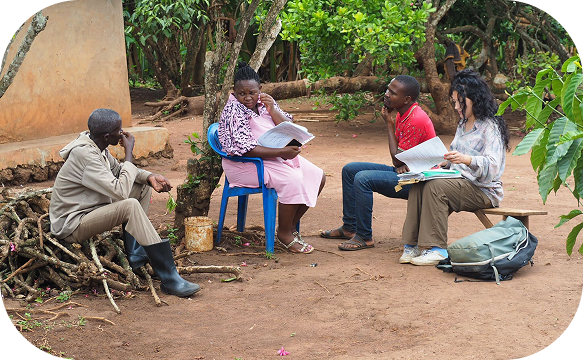
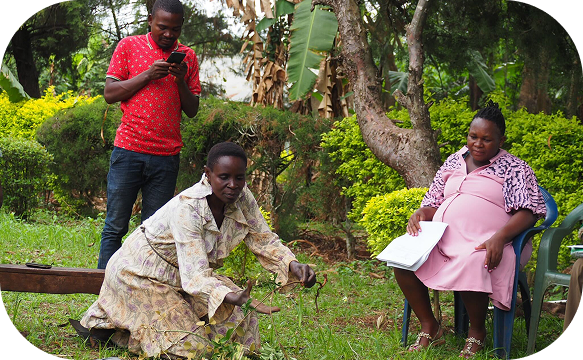
SpiriPharm brings together ethnopharmacology and zoopharmacognosy. We collaborate with local communities, listening to their knowledge, and conduct careful field observations with wild primates.
Some of the plants or other natural materials we document may later be archived as extracts, ensuring they are preserved for future research, especially important given that many species in the region are threatened or rare.
Partnership with Communities
SpiriPharm is guided by a commitment to ethical collaboration and knowledge-sharing. We work to return research results to the communities who make the discoveries possible, supporting local workshops and initiatives that strengthen conservation and well-being. We strive to not only comply with the Nagoya Protocol but to go beyond it by fostering fair, reciprocal relationships that support long lasting research partnerships
A Step Toward New Understandings
SpiriPharm is about more than potential new medicines. It’s about recognizing the shared wisdom of humans, animals, and ecosystems, and bridging traditional and western knowledge to rethink the role of neuroactive substances in health, healing, and connection.


